



Enerpac Hydraulic Air Pumps
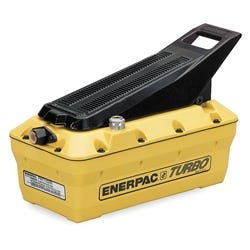
Filters >>
Narrow it Down!
-
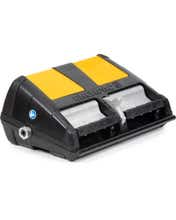 Enerpac 3/3 Valve, 61 in3 Usable Oil Air Driven Hydraulic Pump XA11Direct Ship* Item will ship direct from manufacturer if meets minimal requirements or from Ohio Power Tool, whichever is faster typically these orders will take 2-5+ days to ship if available from manufacturer. We do work to update customers if long delays are expected. Please do not hesitate to call our sales team with questions or stock status.SKU: ENP-XA11$1,40300
 -
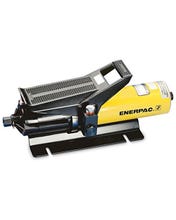 Enerpac Air Hydraulic Pump w/ 36 in3 Usable Oil For Single-Acting Cylinders PA133Direct Ship* Item will ship direct from manufacturer if meets minimal requirements or from Ohio Power Tool, whichever is faster typically these orders will take 2-5+ days to ship if available from manufacturer. We do work to update customers if long delays are expected. Please do not hesitate to call our sales team with questions or stock status.SKU: ENP-PA133$1,07800
 -
 Enerpac Air Hydraulic Pump PAM1042Direct Ship* Item will ship direct from manufacturer if meets minimal requirements or from Ohio Power Tool, whichever is faster typically these orders will take 2-5+ days to ship if available from manufacturer. We do work to update customers if long delays are expected. Please do not hesitate to call our sales team with questions or stock status.SKU: ENP-PAM1042$5,35800
 -
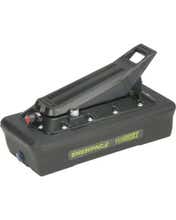 Enerpac Turbo II Air Hydraulic Pump PATG1105NDirect Ship* Item will ship direct from manufacturer if meets minimal requirements or from Ohio Power Tool, whichever is faster typically these orders will take 2-5+ days to ship if available from manufacturer. We do work to update customers if long delays are expected. Please do not hesitate to call our sales team with questions or stock status.SKU: ENP-PATG1105N$1,32800
 -
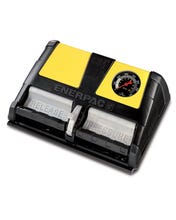 Enerpac Air Driven Hydraulic Pump w/ 61 in3 Usable Oil & Integrated Pressure Gauge For Single-Acting Cylinder/Tool XA11GDirect Ship* Item will ship direct from manufacturer if meets minimal requirements or from Ohio Power Tool, whichever is faster typically these orders will take 2-5+ days to ship if available from manufacturer. We do work to update customers if long delays are expected. Please do not hesitate to call our sales team with questions or stock status.SKU: ENP-XA11G$1,68500
 -
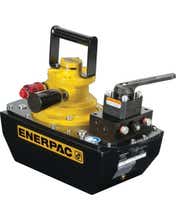 Enerpac 10 gallon Usable Oil, Two Speed, Air Hydraulic Pump 4/3 Manual Valve ZA4440MXDirect Ship* Item will ship direct from manufacturer if meets minimal requirements or from Ohio Power Tool, whichever is faster typically these orders will take 2-5+ days to ship if available from manufacturer. We do work to update customers if long delays are expected. Please do not hesitate to call our sales team with questions or stock status.SKU: ENP-ZA4440MX$8,64100
Enerpac Hydraulic Air Pumps are powerful and efficient tools designed for various hydraulic applications. These pumps provide high-pressure hydraulic power to operate hydraulic tools and equipment. With their air-over-hydraulic design, these pumps offer the advantage of using compressed air to generate hydraulic pressure, making them versatile and easy to use. Whether you need to power hydraulic cylinders, hydraulic presses, or other hydraulic tools, Enerpac Hydraulic Air Pumps deliver reliable performance and ensure precise control. Choose from a range of models and configurations to suit your specific needs. Experience the power and reliability of Enerpac Hydraulic Air Pumps for your hydraulic applications today.